Understanding how much nicotine is in disposable vapes is crucial for both users and regulators. Recent studies indicate a rising trend in vaping, especially among younger demographics. According to the National Institute on Drug Abuse, around 1 in 5 high school students reported vaping in 2022. This underscores the importance of accurate nicotine content labeling.
Dr. Emily Lee, a leading researcher in tobacco studies, has noted, "Knowing the nicotine levels helps users make informed decisions." Her work highlights the potential health risks associated with varying nicotine levels in disposable vapes. For some, high nicotine content might lead to increased dependency.
Moreover, inconsistent labeling can confuse users. A significant portion of disposable vapes does not clearly communicate nicotine strength. This lack of transparency could undermine efforts to promote healthier choices. As the vaping industry continues to grow, clear knowledge about nicotine content is more critical than ever.
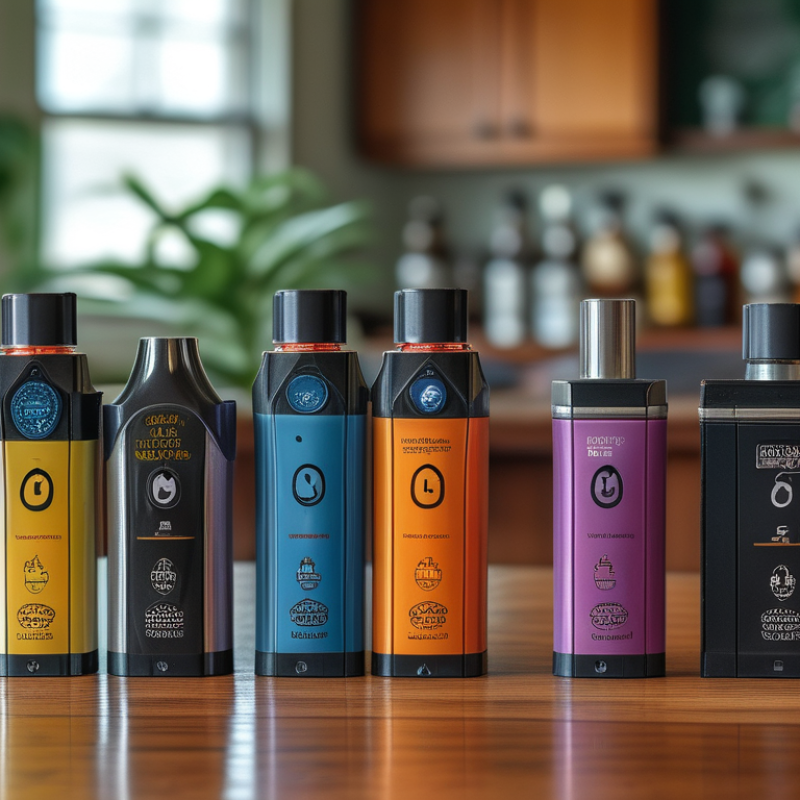
Understanding nicotine content in disposable vapes is crucial for users. Nicotine is a powerful substance that impacts both the body and mind. It can create dependence, leading some users to consume more than intended. Knowing the levels can help vape users make informed choices about their consumption.
The role of nicotine in vaping products is complex. It affects users differently. A higher nicotine concentration can lead to increased satisfaction but may also enhance the risk of addiction. Users often underestimate how nicotine can affect their daily lives. Some might think that vaping is a safer alternative without realizing how much they depend on it.
Many vapers enjoy the experience without fully understanding nicotine's effects. This lack of knowledge can lead to negative habits. Over time, reliance on nicotine can increase. Users should reflect on their habits and consider how much they truly need. Awareness of nicotine levels may prompt healthier choices in their vaping journey.
Nicotine consumption is a crucial topic in discussions about vaping. Many consumers of disposable vapes may not fully understand the health effects of nicotine. Research shows that nicotine affects the brain, heart, and overall health. According to the National Institute on Drug Abuse, nicotine can lead to addiction, altering the brain's wiring and pleasure centers. Users often underestimate its potency, especially in convenient forms like disposable vapes.
A study by the World Health Organization indicates that vaping can deliver high levels of nicotine. This can expose users to risks similar to those of traditional cigarettes. For instance, one disposable vape can contain between 20 to 50 milligrams of nicotine per milliliter. Such concentrations can lead to increased heart rate and blood pressure. Moreover, regular users may experience withdrawal symptoms, such as irritability and anxiety, when they reduce consumption.
The intuitive attraction of disposable vapes lies in their ease of use. However, this convenience can mask potential health risks. Users may not reflect on their consumption patterns. It is essential for individuals to educate themselves about nicotine levels and their long-term health effects. An informed choice can empower users to make better decisions regarding their health and well-being.
| Type of Vape | Nicotine Content (mg/ml) | Average Puffs per Device | Total Nicotine per Device (mg) | Health Effects |
|---|---|---|---|---|
| Pod-style Disposable | 20 mg/ml | 300 | 6,000 mg | Increased heart rate, addiction risk |
| Barrel-style Disposable | 50 mg/ml | 500 | 25,000 mg | Higher addiction potential, respiratory issues |
| Compact Disposable | 10 mg/ml | 250 | 2,500 mg | Lower risk, but still harmful |
| Sleek Disposable | 30 mg/ml | 400 | 12,000 mg | Risks of nicotine overdose, dependency |
Understanding the nicotine content in disposable vapes is crucial for informed usage. Knowing how much nicotine you consume can greatly impact your health and overall experience. Increased nicotine levels can lead to a faster addiction and heightened health risks. Conversely, lower levels might not satisfy your cravings, leading to dissatisfaction. This knowledge empowers users to make choices that align with their health goals.
Measuring nicotine levels in disposable vapes typically involves using specific tools. One effective method is using a nicotine testing kit, available online. These kits provide an accurate measure of concentration. Alternatively, users can refer to product specifications, though these may not always be reliable. Engaging with forums and expert reviews can reveal insights about nicotine levels in popular products.
It's important to consider the potential variations in nicotine content. Manufacturers may not always disclose precise levels. Some products may vary from batch to batch. This inconsistency can lead to unexpected experiences. Users should remain vigilant about how different levels affect them personally. Regular monitoring can foster a more mindful approach to vaping.
When choosing a disposable vape, understanding nicotine content is crucial. Different brands offer varying levels of nicotine, significantly affecting your vaping experience. For example, some devices contain high nicotine levels, providing a stronger throat hit and quicker satisfaction. Others have much lower content, catering to those who prefer a milder experience. Awareness of these differences helps users select a product that meets their needs.
Moreover, the nicotine concentration influences the vaping strategy. A vape with high nicotine might be better suited for seasoned users aiming to curb cravings rapidly. In contrast, novice users may benefit from lower nicotine levels to ease into vaping without overwhelming their senses. Evaluating how brands compare in these aspects allows consumers to make informed choices.
In the digital age, access to transparent information about vape brands is vital. Yet, many vapers find it challenging to decipher the actual nicotine levels across products. This inconsistency can lead to confusion or incorrect expectations. By seeking credible sources and understanding product labels, vapers can gain better insights. Reflecting on personal preferences and experiences can also guide users in choosing the right nicotine level for their vaping journey.
Understanding the nicotine content in disposable vapes can significantly influence consumer choices. A study by the National Institute on Drug Abuse highlighted that the nicotine levels in these products vary widely, affecting users to different degrees. For instance, some devices deliver over 50 mg/ml of nicotine, leading to stronger cravings and potential addiction. Consumers often remain unaware of these variations, which can result in unintended high consumption.
Consumer awareness about nicotine levels encourages informed decision-making. According to a survey by the American Journal of Preventive Medicine, nearly 70% of users prefer products with clearly labeled nicotine content. This highlights a growing demand for transparency in the vaping industry. Many users recognize that higher nicotine levels can lead to increased side effects. Vapers often report headaches and dizziness when consuming excessive nicotine. Thus, promoting awareness can help mitigate such risks.
Moreover, the lack of regulation in the vape market raises concerns. Without consistent labeling practices, users may struggle to understand their intake. A report from the CDC indicated that nearly 25% of vape users do not check nicotine levels before use. This statistic underscores the importance of education regarding nicotine content in disposable vapes. Ultimately, better-informed consumers can make safer choices for their health and well-being.
: Knowing nicotine content helps users manage their consumption and avoid dependence. It affects health and overall satisfaction.
High nicotine can increase satisfaction but might also lead to a higher risk of addiction and dependence on vaping.
Users can use nicotine testing kits for accurate measurement or check product specifications, though they may vary in reliability.
Manufacturers may not disclose precise levels, and variations can occur from batch to batch. This inconsistency can surprise users.
High nicotine levels may suit experienced users wanting quick relief, while beginners may prefer lower levels for a milder experience.
Users should consider their reliance on nicotine and assess whether it meets their health goals and personal needs.
Engaging with expert reviews and credible forums can help users compare products effectively and make informed choices.
New vapers might underestimate nicotine's effects. It's essential to understand personal limits to avoid overwhelming experiences.
Users who don't understand nicotine's effects may develop harmful habits over time, increasing dependence without realizing it.
Understanding "how much nicotine is in disposable vapes" is crucial for consumers who are mindful of their health and vaping choices. Nicotine plays a significant role in vaping products, influencing both the experience and potential health risks associated with consumption. As users become more aware of nicotine's health effects, including addiction and other physiological impacts, they need reliable methods to measure nicotine levels in disposable vapes.
Additionally, comparing nicotine content across various disposable vape options empowers consumers to make informed decisions that align with their health goals. By fostering nicotine awareness, consumers can better navigate their vaping habits, leading to safer use and more responsible choices in the market.

Nevra Vape