The debate surrounding vaping has intensified, particularly concerning health impacts. Many individuals wonder, "are nicotine free vapes better?" The rising popularity of nicotine-free options raises crucial questions about their safety and effects. Vaping without nicotine may seem attractive, especially for those seeking a healthier alternative.
Research suggests that while nicotine-free vapes may reduce addiction risk, they still contain other chemicals. Flavors and additives in these products could have adverse effects on lung health. Users need to understand that vaping, even without nicotine, is not entirely risk-free.
Moreover, the marketing of nicotine-free vapes can create misconceptions about their safety. Some may assume they are a harmless substitute, leading to increased consumption. It is essential to critically evaluate all vaping products. Before making a choice, consider the potential risks and benefits.
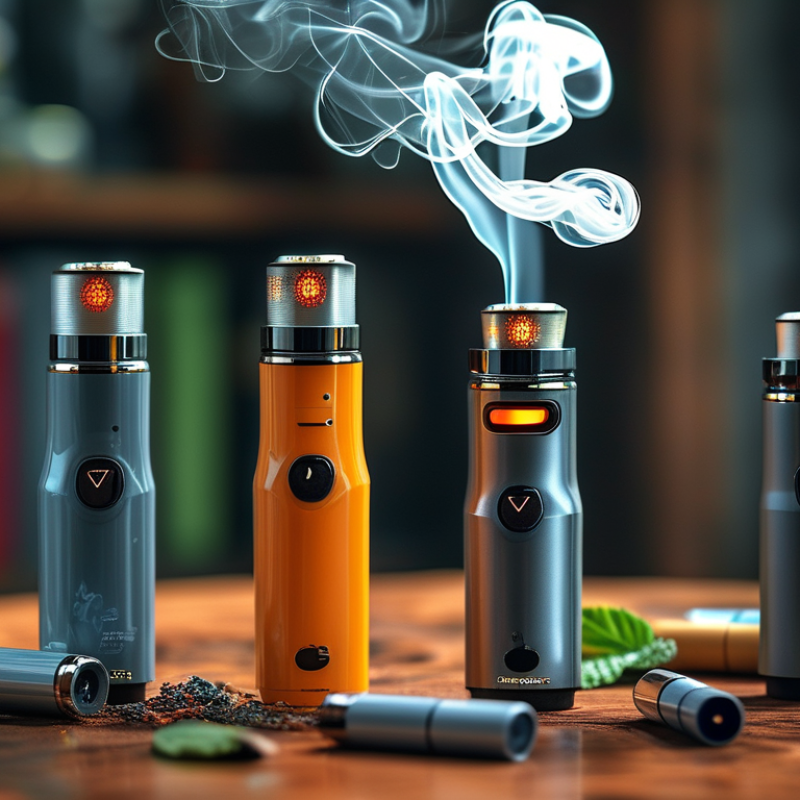
When comparing nicotine-free vapes to regular vapes, several health effects arise. Nicotine is known for its addictive properties and can contribute to cardiovascular issues. Removing nicotine may lessen these risks significantly. However, nicotine-free vapes still contain other components, such as flavorings and propylene glycol. These substances can pose their own health concerns.
Research suggests that while nicotine-free options might be less harmful, they are not entirely without risk. Some individuals may rely on vaping to satisfy oral fixation. This behavioral aspect can lead to prolonged use, potentially bringing about respiratory problems. Additionally, flavoring agents can produce harmful byproducts when heated, which is often overlooked.
While nicotine-free vapes may present a safer alternative for some, they are still not risk-free. It's essential to remain cautious and informed about the ingredients in these products. Engaging in discussions with health professionals can provide better insights into personal choices. Balancing the desire for a smoke-free experience with awareness of potential effects is crucial for anyone considering these alternatives.
The health risks associated with nicotine vapes and nicotine-free alternatives have become a topic of discussion. Many assume that eliminating nicotine makes vaping safer. However, it's important to consider the substances used in non-nicotine products. Some may still contain harmful chemicals.
Research has shown that while nicotine itself is addictive and affects brain function, other components can also pose health risks. Flavorings and other additives often found in non-nicotine vapes can cause respiratory issues or allergic reactions. Some may even release toxic compounds when heated. It’s essential to stay informed about these ingredients.
Maintaining awareness of the ingredients is crucial. Research different options before making decisions. Consult medical professionals if you're unsure about the health impacts. Additionally, using devices properly can reduce potential harm. Always seek reputable sources and guidelines to understand product safety better.
In recent years, nicotine-free vapes have gained popularity as an alternative to traditional vapes. Many users perceive them as a healthier option, but the impact on lung health and respiratory function is still uncertain. Research indicates that while these products may not contain nicotine, they can still have harmful ingredients. For instance, some flavorings can irritate the lungs and throat, leading to inflammation.
Regular vaping has been linked to respiratory issues. Nicotine-free options might reduce the risk associated with addiction. However, this does not mean they are completely safe. Ingredients such as vegetable glycerin and propylene glycol, commonly found in vape liquids, can contribute to lung damage over time. Users often overlook these effects. It’s essential to understand that "nicotine-free" does not equal "risk-free."
Many vapers switch to nicotine-free options to improve health. Yet, personalized experiences vary greatly. Some people may still experience shortness of breath or coughing. The long-term impact of these products on lung health remains unclear. More research is needed to determine their true safety profile. This uncertainty invites a need for caution among users.
When considering nicotine-free vapes, the role of additives and flavorings cannot be overlooked. Many users are drawn to these products for their perceived safety. However, the flavorings used can pose risks. Some might contain chemicals that can irritate the lungs. Research into the long-term effects remains limited.
Regular vapes often include nicotine and various additives. Nicotine itself can have significant health consequences. It impacts heart health and addiction potential. But the flavorings are also concerning. They enhance the user experience but may introduce toxic substances. Some flavors are linked to lung damage. Users might believe they are making a safer choice, but the reality may differ.
Furthermore, not all additives are tested thoroughly for inhalation safety. This leads to uncertainty for consumers. Many assume that nicotine-free means risk-free. In truth, it’s essential to examine each ingredient. Understanding what's in vaping products is crucial. The quest for a “safer” product requires careful scrutiny of what we inhale. Being informed enables better choices in vaping.
When exploring nicotine-free vapes, user experiences reveal notable benefits. Many users report feeling less anxiety and improved focus. With no nicotine addiction, they find it easier to manage cravings. The absence of nicotine allows for a more controlled vaping experience. Users often express relief at reducing reliance on traditional cigarettes.
Yet, there are downsides. Some users have noted that flavor options can feel limited. Others mention that the absence of nicotine makes the vaping experience less satisfying. This can lead to overuse, which brings its own concerns. Users should remain mindful of their consumption levels to avoid potential negative effects on lung health.
Consider setting clear limits on your vaping sessions. Experiment with flavors to find what truly satisfies you. Stay informed about the ingredients in your vape products. Everyone's body responds differently; listen to yours. Adjust your habits as needed, and seek balance in your experience.
| User Experience | Perceived Benefits | Perceived Downsides | Health Impact |
|---|---|---|---|
| User A | Less anxiety and crave reduction | Lacks throat hit experience | Feels healthier, but uncertain on full impact |
| User B | Reduced addiction risk | Flavor options may be limited | Noticed improvement in lung capacity |
| User C | Easier to quit if desired | Less satisfying overall | Believes it’s a healthier alternative |
| User D | No nicotine withdrawal symptoms | Social stigma still exists | Feels a positive change in overall health |
| User E | Improved taste preferences | Less vapor production | Perceives less harm compared to smoking |
re nicotine-free vapes safer than regular vapes?
Ingredients like flavorings and propylene glycol can irritate the lungs and lead to respiratory issues.
Some users may rely on vaping for oral fixation, which can lead to prolonged use and associated problems.
Yes, flavorings and additives can release toxic compounds when heated or cause allergic reactions.
They can still irritate the lungs, cause inflammation, and contribute to lung damage over time.
Yes, discussing with health professionals can provide valuable insights into the risks and safer choices.
No, many harmful ingredients can still be present, so it's vital to stay informed.
Some people report shortness of breath or coughing, indicating possible respiratory issues.
Research ingredients, consult medical professionals, and use devices correctly to minimize risks.
Yes, understanding long-term impacts and risks requires further investigation for better safety profiles.
The discussion around whether nicotine-free vapes are better for health compared to regular vapes centers on various health effects associated with each type. Comparative analyses highlight that while nicotine presents specific health risks, such as addiction and cardiovascular issues, nicotine-free vapes may still carry risks due to other harmful substances, albeit potentially at a reduced level.
When examining the impact on lung health and respiratory function, studies suggest that the absence of nicotine in vaping products might lead to fewer negative effects; however, additives and flavorings commonly used in both types of vapes can pose their own safety concerns. User experiences reveal mixed perceptions, with many individuals recognizing potential benefits of nicotine-free options, including reduced cravings and improved overall health, while also noting downsides like the still-present health risks from inhaling vapor. Ultimately, the question of "are nicotine-free vapes better" is complex and requires careful consideration of both health impacts and personal preferences.
Nevra Vape